
Hear from Our Customers
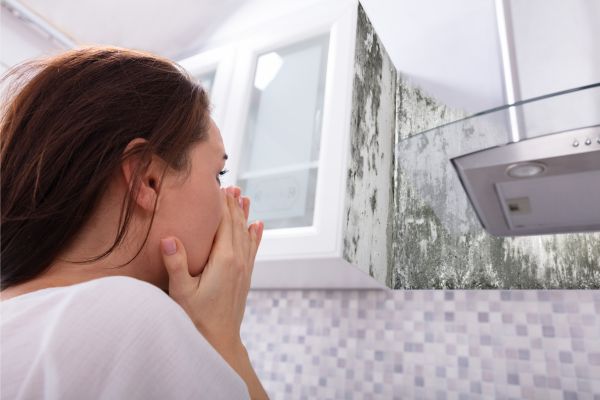
You can’t fix what you can’t see. That’s the problem with mold in Bucks County homes—it hides behind walls, under floors, in crawl spaces you never check. By the time you smell it or see discoloration, the problem’s already spread.
Professional mold testing gives you the full picture. We use moisture meters, infrared cameras, and air sampling to find mold you’d never catch on your own. You get a detailed report showing exactly where the mold is, what type it is, and how serious the situation has become.
Here’s what that means for you: no guessing, no panic, no throwing money at the wrong problem. You know if that musty smell in the basement is actually mold or just dampness. You know if those dark spots near the window are cosmetic or a health risk. And if you’re buying or selling a home in Saint Leonard, you know the truth before closing day—not after.
Early detection saves you thousands in remediation costs and protects your family from prolonged exposure to allergens and respiratory irritants. The longer mold grows unchecked, the more damage it does to your home’s structure and your indoor air quality.
We serve homeowners throughout Saint Leonard and Bucks County with residential mold testing and remediation services. We understand how Pennsylvania’s increased precipitation—up 5% to 10% in recent years—creates perfect conditions for mold growth in local homes.
We’re not a franchise following a script. We’re a local mold testing company that knows the ins and outs of Bucks County properties: the older homes with basement moisture issues, the newer builds with poor ventilation, the seasonal humidity that creeps into attics every summer.
When you call us at 215-431-4744, you’re talking to someone who’s seen hundreds of mold situations in homes just like yours. We show up with professional-grade equipment, run thorough tests, and give you clear information about what we find. No upselling. No scare tactics. Just honest answers about your mold problem.
First, we walk through your home and look at the areas where mold typically grows: bathrooms, basements, attics, around windows, near HVAC systems. We’re checking for visible mold, water damage, condensation, and any signs of moisture problems that create mold-friendly conditions.
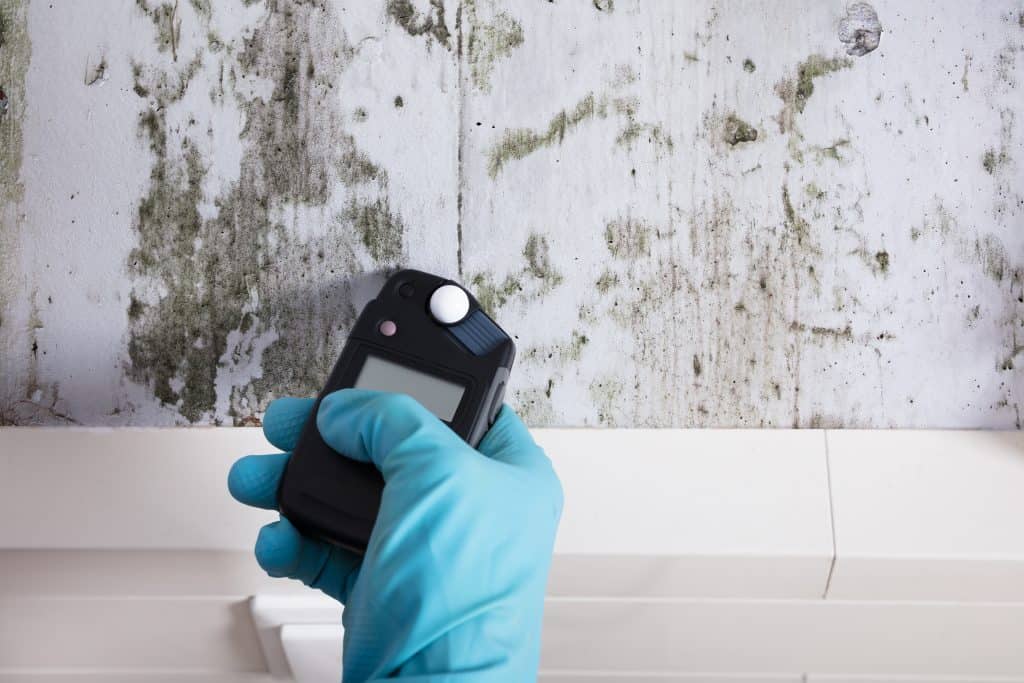
Next comes the testing. We use moisture meters to measure humidity levels in walls and floors. Infrared cameras detect temperature differences that indicate hidden moisture. If we suspect mold behind walls or in other concealed spaces, we use borescopes to see inside without tearing anything apart.
We also collect samples. Air sampling captures mold spores floating in your indoor air—the ones you’re breathing every day. Surface sampling tests suspicious spots to identify the exact mold species. These samples go to a lab for analysis, which typically takes a few days.
Once results come back, we sit down with you and explain what we found. If there’s mold, we tell you what type, where it’s located, and how extensive the growth is. We outline what needs to happen next—whether that’s a full remediation, targeted removal, or just fixing a moisture issue before mold develops.
You walk away knowing exactly what you’re dealing with and what it’ll take to fix it.
Ready to get started?
Our mold testing service covers your entire home, not just the obvious problem areas. We inspect basements, crawl spaces, attics, bathrooms, kitchens, and any rooms where you’ve noticed musty odors or visible growth.
You get a comprehensive visual inspection using professional equipment—digital moisture meters, hygrometers to measure humidity, and thermal imaging cameras that reveal hidden moisture patterns. If needed, we collect air samples and surface samples for laboratory analysis to identify specific mold species and spore concentrations.
Saint Leonard homes face specific challenges. The area’s humidity, especially during summer months, combined with Pennsylvania’s increased rainfall, creates conditions where mold thrives. Older homes often have basement moisture issues. Newer homes sometimes have ventilation problems. We’ve tested both, and we know what to look for in Bucks County properties.
After testing, you receive a detailed report with our findings, photos of problem areas, lab results if samples were collected, and clear recommendations. If remediation is necessary, we create a customized plan based on the severity and location of the mold growth. If the problem is minor, we tell you that too—and explain how to prevent it from becoming major.
The goal is simple: give you accurate information so you can make informed decisions about your home and your family’s health.
Professional mold testing typically runs between $300 and $600 for most homes, though more extensive testing can reach $1,000 or more depending on your home’s size and the number of samples needed. That might sound like a lot compared to a $40 DIY kit from the hardware store, but here’s the difference: professional testing actually tells you what’s happening in your home.
DIY kits test one small area and often produce false positives because mold spores exist everywhere—even in clean homes. They don’t tell you if you have a problem or just normal background levels. Professional testing uses calibrated equipment, compares your indoor air to outdoor baseline samples, and identifies specific mold species and concentration levels.
More importantly, professional mold testing can save you serious money. If you’re buying a home and discover a major mold issue during inspection, you can negotiate the price down or walk away. If you’re selling, addressing mold before listing prevents deals from falling through. And if you’re living in a home with mold, early detection means smaller remediation costs—fixing a contained bathroom issue costs far less than treating mold that’s spread throughout your HVAC system.
A mold inspection is the visual walkthrough where we examine your home for signs of mold growth, water damage, and moisture problems. We’re looking at walls, ceilings, floors, and hidden spaces. We use moisture meters and thermal cameras to detect issues you can’t see. An inspection tells you if there’s likely a mold problem and where it’s located.
Mold testing goes further. We collect air samples and surface samples that go to a lab for analysis. Testing identifies the specific types of mold present and measures spore concentrations in your indoor air. This matters because some molds are more problematic than others, and spore counts tell us how severe the contamination is.
Most homeowners need both. The inspection finds the problem areas. The testing confirms what’s growing and how bad it is. Together, they give you complete information for making decisions. If you’re dealing with health symptoms, planning renovations in a suspect area, or need documentation for insurance or real estate purposes, testing provides the concrete data you need. For Saint Leonard homes with basement moisture or attic ventilation issues—common in Bucks County—this combination approach catches problems before they become expensive disasters.
You can, but you probably won’t get useful information. DIY mold test kits have serious limitations that make them unreliable for actual decision-making. They typically test one small area, which doesn’t tell you anything about mold levels throughout your home. They can’t distinguish between normal background mold—which exists in every home—and problematic concentrations that require action.
Most DIY kits return positive results because mold spores are everywhere. That positive result doesn’t tell you if you have a problem or just normal environmental mold. You’re left with more questions than answers, and you’ve wasted money on a test that can’t guide your next steps.
Professional testing compares your indoor air quality to outdoor baseline samples. We test multiple areas of your home. We use calibrated equipment that measures actual spore concentrations, not just presence or absence. And we can identify specific mold species—which matters because black mold requires different handling than common surface molds.
If you’re trying to save money, understand this: a DIY kit that gives you unclear results often leads to unnecessary panic or, worse, false reassurance when you actually have a problem. Professional mold testing costs more upfront but gives you actionable information. You’ll know if you need remediation, what type, and how urgent it is. That clarity is worth the investment.
The actual inspection and sample collection usually takes two to three hours, depending on your home’s size and how many areas we’re testing. We’re thorough—checking basements, attics, crawl spaces, bathrooms, and anywhere else moisture problems typically develop in Bucks County homes.
Lab results typically come back within three to five business days. The lab analyzes air and surface samples to identify mold species and measure spore concentrations. Some labs offer rush processing for an additional fee if you’re working against a deadline, like a real estate closing.
Once we have the results, we schedule a follow-up to review the findings with you. We walk through the report, explain what the lab found, show you photos from the inspection, and discuss what the results mean for your specific situation. If remediation is needed, we outline the scope of work and timeline. If the results show minor issues, we explain prevention steps to keep the problem from growing.
The whole process from initial inspection to having a complete action plan typically takes about a week. That timeline matters when you’re dealing with health concerns or real estate transactions. Fast, reliable results mean you can move forward with confidence—whether that’s starting remediation, negotiating a home purchase, or simply having peace of mind that your indoor air quality is safe.
No. Professional mold testing is non-invasive in almost all situations. We use visual inspection, moisture meters, thermal imaging, and air sampling—none of which damage your property. Surface samples involve swabbing or tape-lifting from suspect areas, which doesn’t harm surfaces.
In rare cases where we strongly suspect hidden mold but can’t confirm it without looking inside a wall or ceiling, we might recommend a small exploratory opening. But we always discuss this with you first, explain why it’s necessary, and get your approval before making any cuts. Even then, we’re talking about a small inspection hole that’s easily patched—not tearing apart your home.
Most mold testing in Saint Leonard homes doesn’t require any invasive work. Our equipment is sophisticated enough to detect moisture and temperature patterns that indicate hidden mold without opening walls. Borescopes let us look inside wall cavities through existing openings like electrical outlets or small drilled holes that are barely noticeable.
The goal is to get you accurate information with minimal disruption. You don’t need to move out during testing. You don’t need to prepare your home beyond giving us access to areas like basements, attics, and crawl spaces. We show up, run our tests, collect samples, and leave your home exactly as we found it—just with better information about what’s happening behind the scenes.
First, don’t panic. Finding mold doesn’t mean your home is uninhabitable or worthless. It means you have information that lets you address the problem before it gets worse. We see mold in homes throughout Bucks County—it’s common, especially with Pennsylvania’s increased precipitation and humidity levels.
Once testing confirms mold presence, we create a remediation plan based on what we found. Small, contained mold growth might only require localized cleaning and fixing the moisture source. Larger infestations need professional remediation with containment procedures to prevent spores from spreading during removal.
We walk you through the entire process: what needs to be removed, how we’ll contain the work area, how long remediation will take, and what it’ll cost. If the mold growth is related to a water leak or ventilation problem, we address the root cause—not just the visible mold. Otherwise, it’ll just come back.
For Saint Leonard homeowners, the most common mold situations we handle involve basement moisture, bathroom ventilation issues, and attic condensation. These are fixable problems. We’ve remediated hundreds of homes in Bucks County, and the vast majority of mold issues are resolved completely with proper treatment and moisture control. You’ll get your home back to safe, healthy conditions—and you’ll know how to prevent mold from returning.
Other Services we provide in Saint Leonard